Blog
Zoisite: a gem of many facets


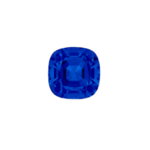
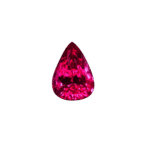
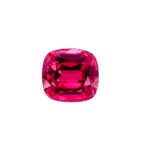
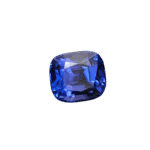
Zoisite is a fascinating mineral that, although understated in its rough form, reveals a palette of brilliant colours once cut. From blue-violet tanzanite to pink thulite and green anyolite flecked with ruby, this stone embodies mineralogical diversity. Although its fame is relatively recent, particularly since tanzanite's discovery in 1967, zoisite holds a special place in the world of gemmology and mineralogy.
Zoisite was first identified in 1805 in the Saualpe mountains of Austria by the mineralogist Simon Prešern. He sent samples to Sigmund Zois von Edelstein, an Austrian naturalist, who recognised the stone as an unknown mineral. It was named ‘zoisite’ in honour of Zois, a pioneer of Alpine mineralogy.
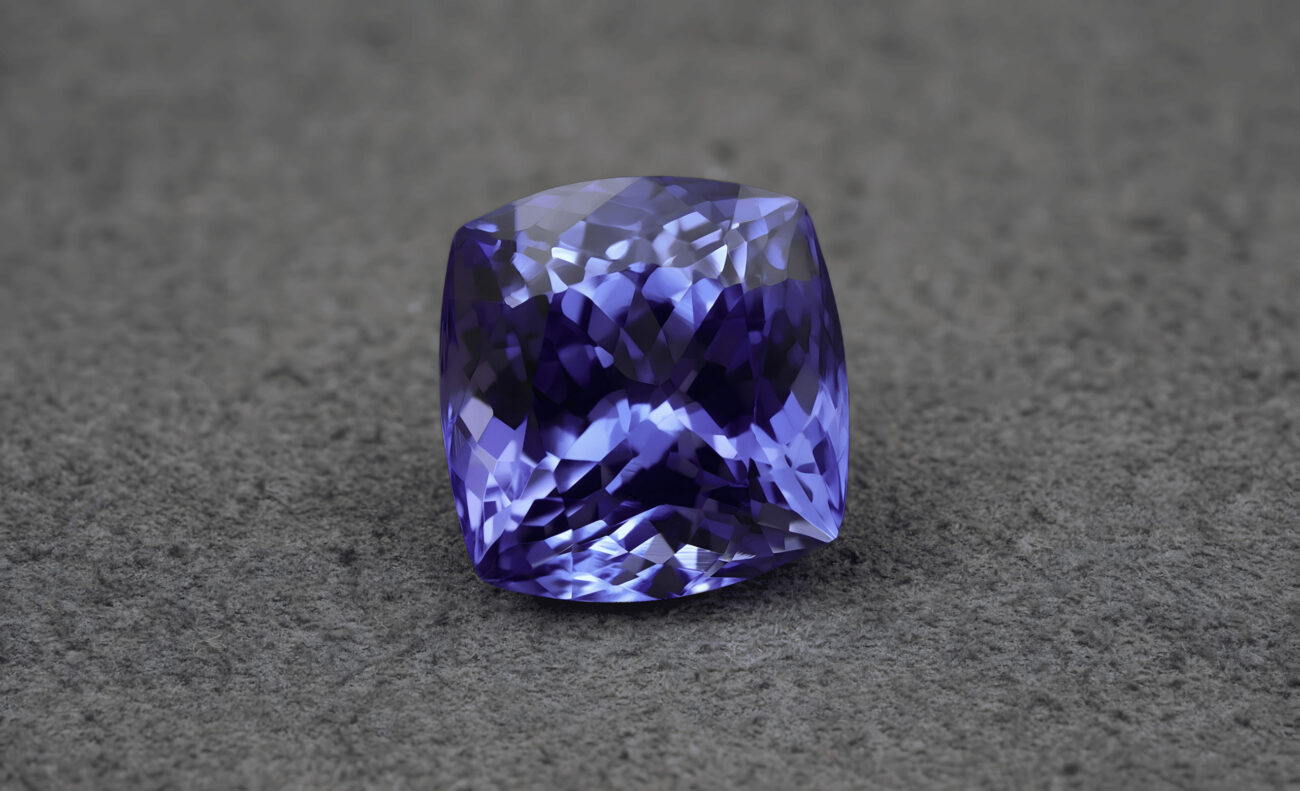
However, it was in 1967 that zoisite truly attracted worldwide attention. A Maasai herder discovered exceptional blue-violet crystals in the Merelani Hills, in Tanzania. This discovery led to the identification of tanzanite, a remarkably beautiful variety of zoisite. Tiffany & Co. played a key role by naming the stone ‘tanzanite’ after its country of origin and introducing it to the international market.
Zoisite is a calcium aluminium silicate belonging to the epidote group. It crystallises in the orthorhombic system, forming elongated prisms or fibrous masses. Its hardness ranges from 6 to 7 on the Mohs scale, making it suitable for jewellery, although care is required. Its refractive index ranges from 1.69 to 1.70, and its specific gravity from 3.1 to 3.4. One of zoisite's distinctive features is its pleochroism, particularly in tanzanite, which displays colours ranging from deep blue to violet, and sometimes reddish brown or yellow, depending on the viewing angle.

Zoisite occurs in several varieties, each with its own characteristics:
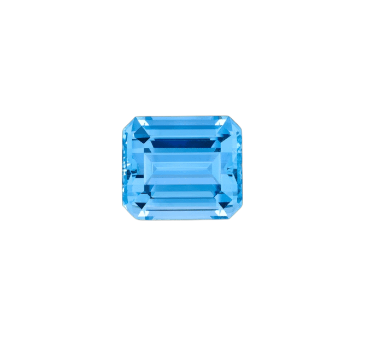
Tanzanite: a blue-violet-yellow variety mined in the Merelani Hills of Tanzania.
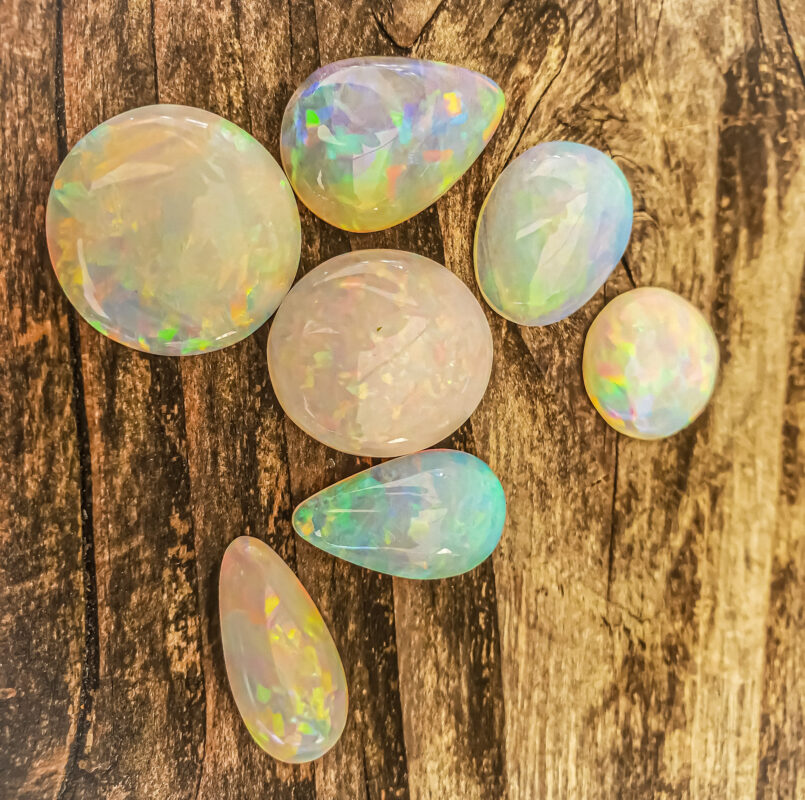
Thulite: a pink to red variety, often opaque, used for cabochons.
Anyolite (or ruby in zoisite): green zoisite flecked with ruby, prized for its contrasting colours.
The main zoisite deposits include:
Tanzania: the only significant producer of tanzanite, in the Merelani Hills.
Norway: an important source of thulite.
Kenya and Tanzania: occurrences of anyolite (green zoisite with ruby inclusions).
India and Pakistan: massive green zoisite and thulite.
United States (North Carolina): small quantities of thulite.
Tanzanite's geological scarcity, confined to an area of just a few square kilometres, reinforces its status as a rare and unique stone.
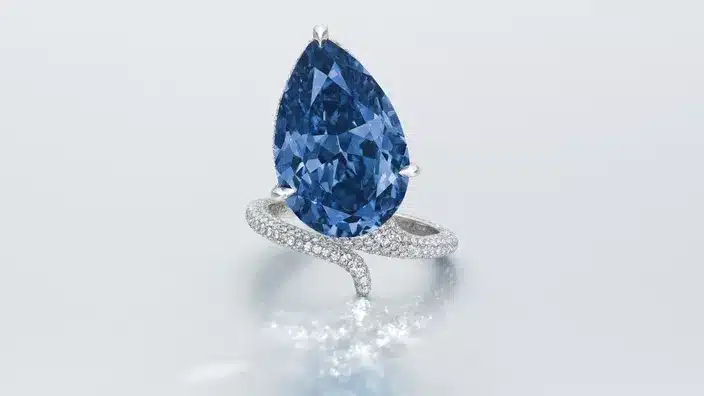
Zoisite, and tanzanite in particular, is highly prized in jewellery. Its blue-violet colour rivals that of the finest sapphires, while offering a different luminosity thanks to its pleochroism. Tanzanite is generally faceted to maximise its brilliance and is used in high jewellery rings, pendants and earrings. Thulite is often fashioned into cabochons, beads or decorative objects, while anyolite is appreciated for its contrasting colours and is often polished into cabochons or carvings.
Zoisite's intermediate hardness calls for certain precautions in use. Tanzanites must be protected from knocks and scratches; they are better suited to pendants or earrings than everyday rings.
Treatments and Imitations
Most tanzanites on the market undergo gentle heat treatment (400–600°C) to remove natural brownish-yellow shades, leaving only the brilliant blue-violet colour. This treatment is stable and accepted in the trade.
Imitations mainly include:
Coloured glass, sometimes fraudulently sold as tanzanite.
Sapphires of a similar colour, which may be offered as substitutes.
Beyond its role in jewellery, zoisite is of interest to mineralogists and geologists. It indicates specific metamorphic conditions and is often associated with calcium-rich rocks. Studying its internal inclusions also helps us better understand the history of its formation.
Tanzanite is of major economic importance to Tanzania, which partly depends on its exports. It also illustrates the vulnerability of certain gem resources: a single deposit, intensively mined, raises questions about its sustainability.
Zoisite is a gemstone of many facets: understated and opaque as thulite or anyolite, yet dazzling and sought-after as tanzanite. It embodies mineralogical history, cultural richness and modern jewellery alike.
In little more than half a century, tanzanite has gone from a local discovery to a globally recognised stone, rivalling the most prestigious gems.
Bibliography:
- Deer, W.A., Howie, R.A., Zussman, J. — Rock-Forming Minerals, Volume 1B: Disilicates and Ring Silicates — Geological Society, 1997.
- Harlow, G.E. — Gemological properties of tanzanite — Gems & Gemology, 1996.
- Nassau, K. — Gemstone Enhancement — Butterworth-Heinemann, 1994.
- Giuliani, G. et al. — Les gemmes — BRGM Éditions, 2009.
- Webster, R. — Gems: Their Sources, Descriptions and Identification — Butterworth-Heinemann, 2002.
- Mindat.org — Zoisite mineral data and localities (accessed in 2025).
- Gemological Institute of America (GIA) — Tanzanite: history and properties (research articles and gemmological fact sheets).
- Laurs, B.M. — Gem News International: Tanzanite updates — Gems & Gemology, various editions, 2000–2010.